Businesses invest heavily in marketing campaigns, tools, and advertising to generate leads. But generating leads alone doesn’t guarantee real opportunities. In many cases, a large portion of collected contacts may be inaccurate, outdated, or simply not interested.
This is where lead verification becomes essential.
Lead verification is the process of checking the accuracy, authenticity, and quality of collected leads before they enter the sales pipeline. Without this step, businesses risk wasting time, budget, and sales effort on contacts that will never convert.
In this guide, we’ll explain what lead verification is, why it matters, and how businesses can verify leads to improve data quality and campaign performance.
What Is Lead Verification?
Lead verification is the process of validating lead data to ensure that a lead’s information is accurate and reliable, valid, and belongs to a real person before it enters the sales pipeline.
It typically involves checking contact details such as email addresses and phone numbers, detecting fake or duplicate submissions, and filtering out low-quality leads.
By verifying leads early, businesses can improve data quality, avoid wasting marketing budgets, and focus their sales efforts on genuine opportunities with higher conversion potential.
Why Lead Verification Matters
Lead verification is essential because it ensures that sales and marketing teams work with accurate, high-quality prospects instead of wasting time on invalid contacts.
Without proper verification, fake or low-intent leads can fill the pipeline, reduce campaign performance, and drain valuable resources.
Strong lead verification helps businesses:
- Improve lead quality by filtering fake or inaccurate contacts
- Save sales time by focusing only on real prospects
- Increase conversion rates with higher-intent leads.
- Reduce wasted marketing spend on invalid leads
- Maintain compliance and brand reputation
By verifying leads early in the process, businesses can build a cleaner pipeline and create more efficient lead generation campaigns.
How Lead Verification Works
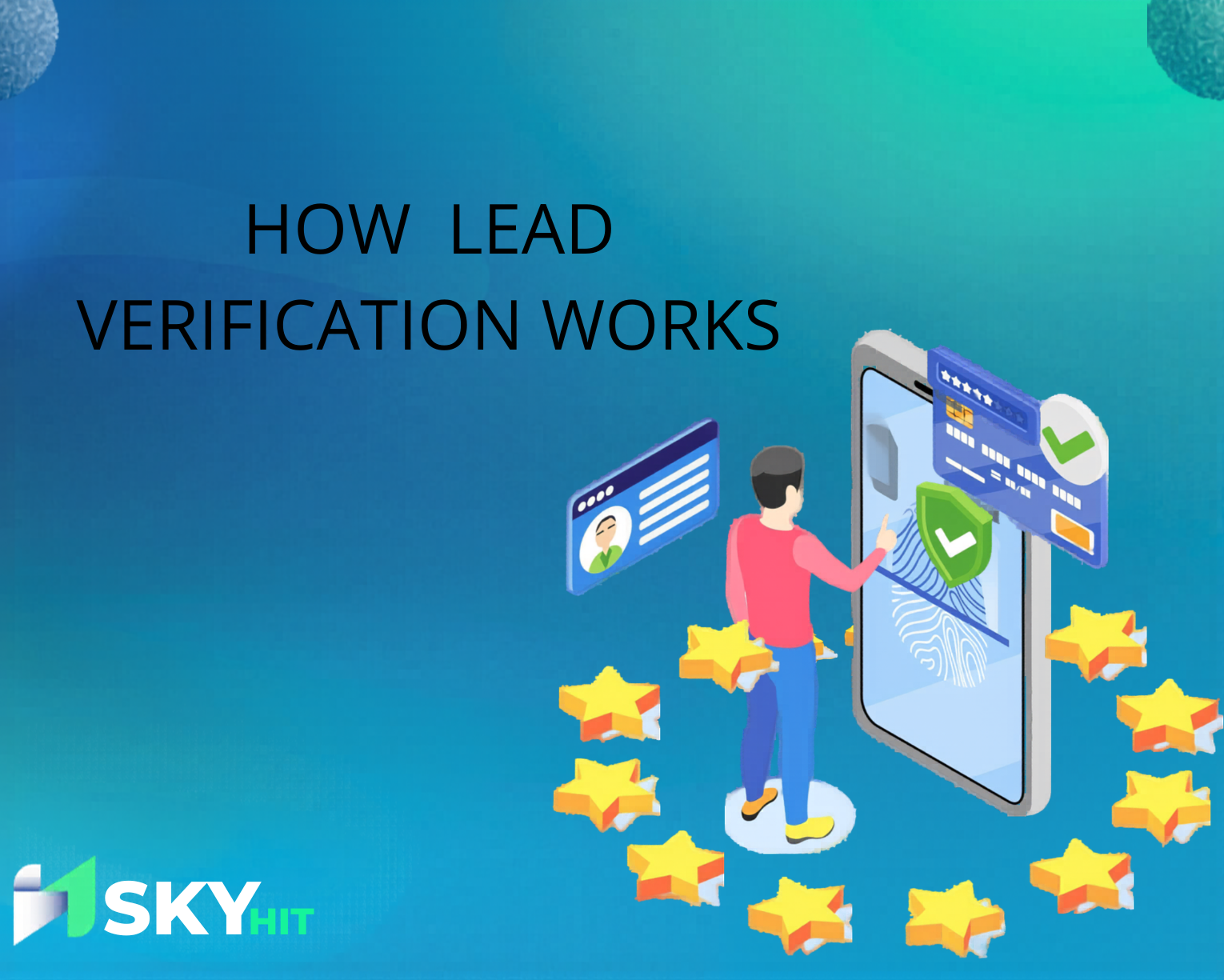
Lead verification follows a structured process designed to filter inaccurate data and confirm that leads are genuine before they reach the sales team.
1. Data Validation
The first step checks whether the submitted information follows the correct format. This includes verifying email syntax, phone number structure and identifying duplicates or temporary emails.
2. Contact Verification
Next, the system confirms that contact details are real and active. Email verification tools check if the address can receive messages, while phone verification confirms that the number is valid and reachable.
3. Intent Detection
At this stage, businesses analyze signals that indicate whether the lead has a genuine interest. This may include form behavior, engagement with content, or other interaction signals.
4. Qualification Filtering
Not every verified lead is ready for sales. Qualification filtering helps identify leads that match the ideal customer profile while flagging low-quality or risky submissions.
5. CRM Integration
Once leads are verified and qualified, they are automatically synced with CRM or marketing systems. This ensures sales teams work only with accurate, high-quality data.
Types of Lead Verification
Businesses use several types of lead verification to ensure the accuracy and quality of their lead data. Each method focuses on validating different aspects of the lead’s information.
1. Email Verification
Email verification checks whether an email address is valid and able to receive messages. It detects invalid, disposable, or temporary emails that can harm campaign performance.
2. Phone Verification (OTP)
Phone verification confirms that a phone number is real and active. This is often done using OTP (one-time password) codes sent via SMS or automated calls.
3. AI Lead Verification
AI-powered verification analyzes patterns in lead data to detect fake submissions, duplicates, or suspicious behavior. This helps businesses filter low-quality leads automatically.
4. Behavioral Verification
This method evaluates how leads interact with websites, forms, or campaigns. Genuine leads usually show engagement signals, while fraudulent or low-intent leads often remain inactive.
5. CRM & Data Validation
CRM validation checks lead data against existing records or trusted databases to confirm accuracy and prevent duplicate or incomplete entries.
Using a combination of these verification methods helps businesses maintain clean data, improve lead quality, and increase conversion potential.
Common Lead Verification Challenges
While lead verification improves data quality, businesses still face several challenges when validating leads.
1. Fake Submissions
Some users submit false information or fake identities when filling out forms, which creates invalid leads in the database.
2. Incorrect or Outdated Data
Contact details such as email addresses or phone numbers may be incorrect or become outdated, making it difficult for sales teams to reach prospects.
3. Low-Intent Leads
Not every verified lead is genuinely interested in the product or service. Low-intent prospects often reduce conversion rates and waste sales effort.
4. Automated Spam
Bots and automated scripts can submit large numbers of fake leads, polluting databases and affecting campaign performance.
Addressing these challenges requires a structured verification process and reliable tools to filter out invalid or low-quality leads.
The SkyHit Advantage in Lead Verification
At SkyHit Network, lead verification is built directly into the lead generation process to ensure that businesses receive only high-quality opportunities.
Instead of delivering raw leads, SkyHit applies multiple verification layers before a lead reaches the client. These checks help confirm that the contact information is real, the prospect matches the target audience, and the lead shows genuine interest.
The SkyHit verification process typically includes:
OTP phone verification to confirm that the phone number is active and belongs to a real user
AI-powered filtering to detect fake or suspicious submissions
Manual quality checks to remove duplicates or low-intent leads
Lead qualification review to ensure the prospect matches the client’s target profile
By combining technology with human quality control, SkyHit Network helps businesses avoid fake leads and build a pipeline filled with verified, high-intent prospects ready for sales conversations.
Reduce wasted sales effort and focus on real opportunities that are more likely to convert.
FAQs
1. How to verify a lead?
Leads can be verified using lead verification tools or software that check contact details such as email addresses and phone numbers. These tools validate the accuracy of the data, detect fake or temporary contacts, and confirm whether the lead meets quality standards before entering the sales pipeline.
2. How to verify a lead?
Leads can be verified using lead verification tools or software that checks contact details such as email addresses and phone numbers. These tools validate the accuracy of the data, detect fake or temporary contacts, and confirm whether the lead meets quality standards before entering the sales pipeline
3. Why is lead verification important?
Lead verification is important because it ensures that marketing and sales teams work with accurate and trustworthy data. By removing fake or outdated leads, businesses can protect their budgets, improve campaign performance, and focus on prospects with real buying intent.
4. What is the role of a lead verifier?
A lead verification tool ensures lead data is correct, current, and secure to use. It safeguards marketing teams, sales reps, and lead purchasers by screening out fraudulent contacts and keeping outreach centered on the ideal target audience.
A dependable verification workflow reduces time loss, avoids wasted budget, and increases the odds of converting qualified leads into paying customers.